
Hajj Essentials: Your Roadmap to Spiritual Triumph
At Hajj Guides, we understand that performing Hajj is a once in a lifetime journey that requires more than just spiritual preparation. Alongside the rituals, there are many practical aspects that pilgrims must navigate, from travel and accommodation to daily routines and on-ground coordination.
This section provides clear, practical guidance to support you at every stage of your journey. Drawing on real experience and insight from those who have guided pilgrims before, our aim is to help you stay organised, prepared and confident throughout.
With the right knowledge and preparation, you can minimise stress and focus on fulfilling your Hajj with clarity, ease and peace of mind.
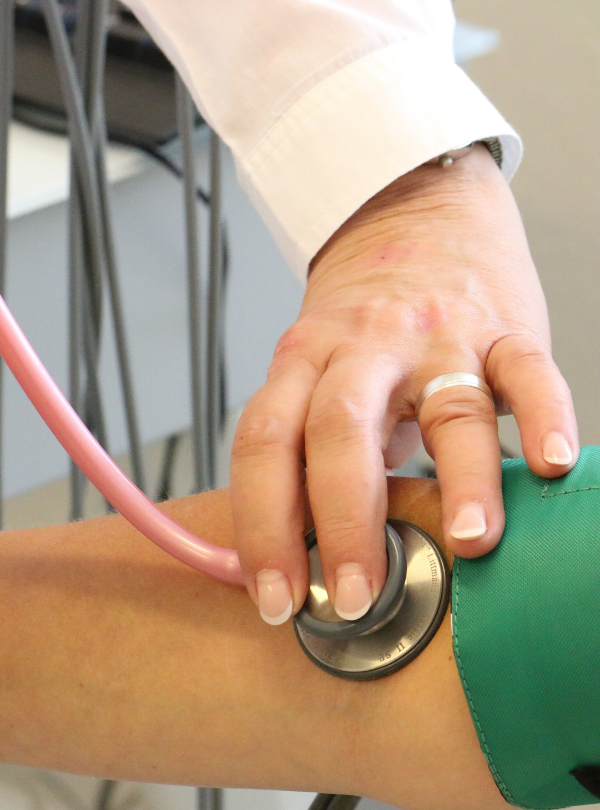
Your health is a key part of your preparation for Hajj, and it should not be overlooked. Before travelling, it is strongly recommended that you book an appointment with your GP to review your overall health, discuss any concerns, and ensure you are fit for the journey.
Hajj is physically demanding, often involving long periods of walking, exposure to heat, and crowded conditions. A general health check can help identify any issues early and allow you to take the necessary steps to manage them before you travel.
If you have a chronic illness or ongoing medical condition, it is especially important to speak to your consultant or healthcare professional well in advance. They can advise you on whether you are fit to perform Hajj, how to manage your condition during the journey, and what precautions you should take.
It’s also worth noting that not all medical practitioners may fully understand what Hajj involves. Take the time to clearly explain the physical demands, environment, and duration of the pilgrimage so they can give you the most accurate and relevant advice.
Proper medical preparation will give you peace of mind and help ensure that you are able to complete your Hajj safely and comfortably.
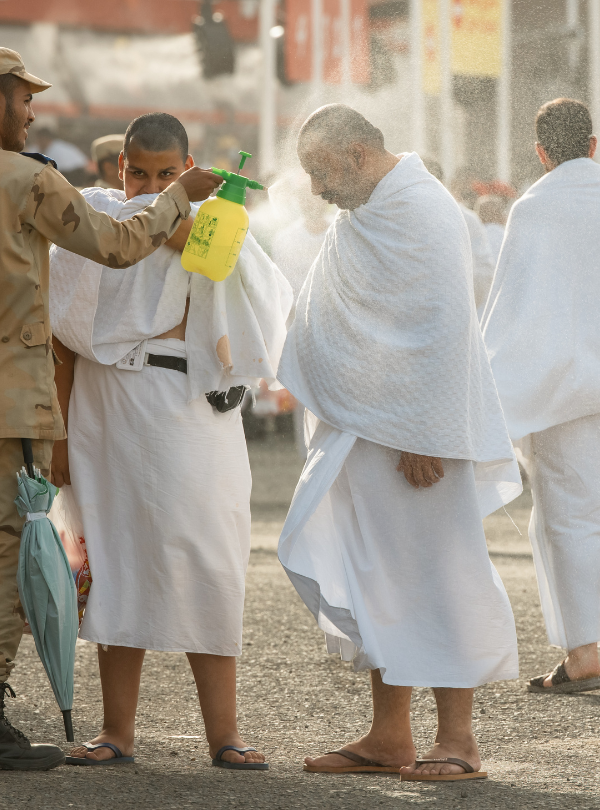
The heat during Hajj can be intense and combined with long periods of walking and outdoor exposure, it can put you at risk of heat exhaustion or in more serious cases, heat stroke. Being aware of the signs and taking early action is essential.
Heat exhaustion can develop gradually and may include symptoms such as heavy sweating, dizziness, fatigue, headaches, nausea and muscle cramps. If not addressed, it can progress into heat stroke, which is more severe and may present with confusion, a high body temperature, little or no sweating and even loss of consciousness.
It is important to look out not only for yourself but also for those around you, especially the elderly or those with existing health conditions.
To reduce the risk:
If you or someone else begins to show signs of heat exhaustion, move to a cooler area immediately, rest and drink fluids. Cooling the body with water or a damp cloth can also help. If symptoms worsen or do not improve, seek medical assistance as soon as possible.
Taking heat seriously and acting early can prevent more serious complications and help ensure you remain safe throughout your Hajj journey.
Staying well hydrated during Hajj is extremely important, especially due to the heat and the amount of physical activity involved. Make it a habit to drink water regularly throughout the day, even if you do not feel thirsty.
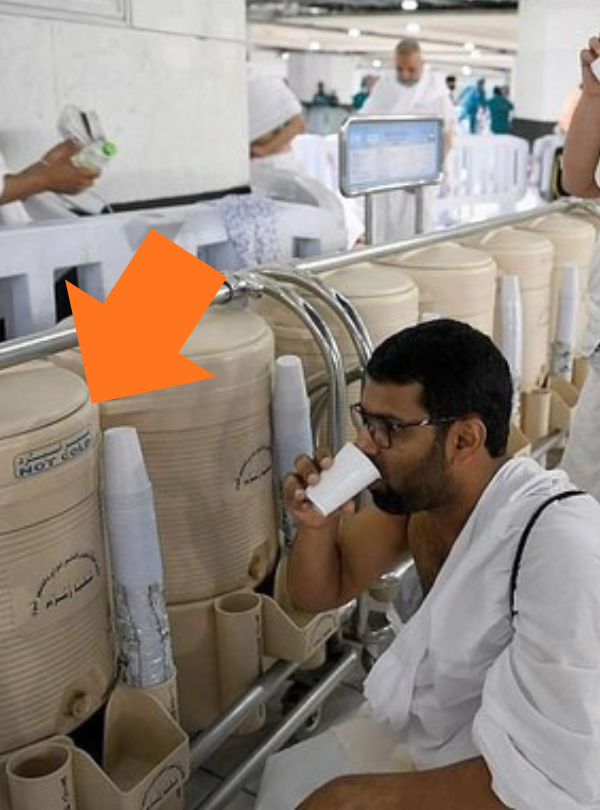
Zam Zam water is widely available and easily accessible in both Makkah and Madinah. However, it is important to be mindful of the temperature of the water you consume. Constantly drinking ice-cold water, particularly in hot conditions, can sometimes lead to sore throats or discomfort, especially for those who are prone to it. Where possible, opt for water that is not too cold.
Zam Zam stations often include options labelled “Not Cold”, which provide water at room temperature. These are a good choice for regular drinking and can help you stay hydrated more comfortably.
Please note the following:
Being mindful of your hydration and choosing the right type of water will help you maintain your energy levels and avoid unnecessary illness during your Hajj journey.
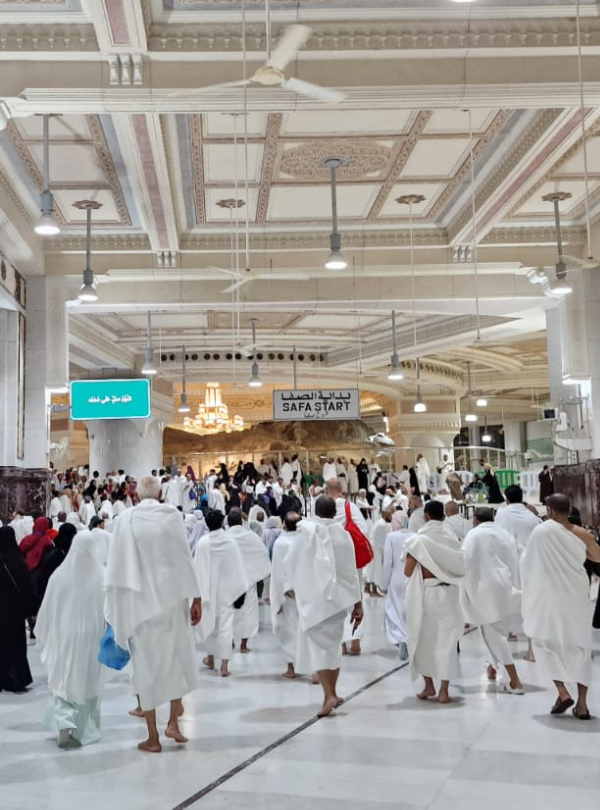
Chafing is a very common issue during Hajj, especially for men who are wearing ihram, which consists of two simple pieces of cloth. With the amount of walking, heat and physical activity involved, skin irritation can quickly become uncomfortable if not managed properly.
To help prevent chafing, it is important to ensure your ihram is worn correctly and securely, so there is minimal unnecessary movement or rubbing while walking. Choosing a soft, breathable material can also make a significant difference in comfort.
Before you begin your journey, consider using a suitable anti-chafing product (Fregrance Free) such as balm, cream, or powder on areas where friction is most likely, such as the inner thighs and under the arms. This should be applied regularly, especially before long periods of walking.
Keeping the skin clean and dry where possible will also help reduce irritation. If you begin to feel discomfort, try to address it early rather than waiting for it to worsen. Simple adjustments or reapplying protective products can prevent it from becoming a bigger issue.
Managing chafing effectively will help you stay comfortable and allow you to focus more easily on your worship and the overall experience of Hajj.
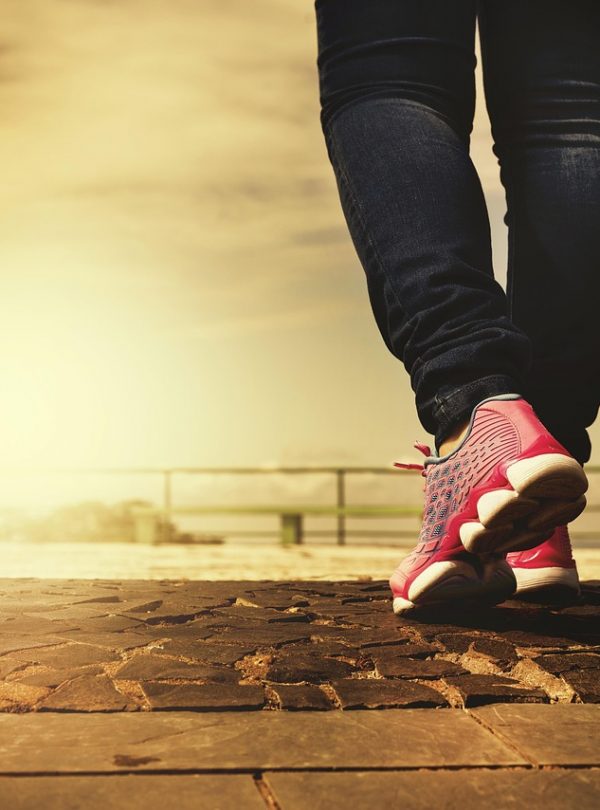
One of the most underestimated aspects of Hajj is the amount of walking involved. From Tawaf and Sa’i to the journeys between Mina, Arafat and Muzdalifah, walking is a significant and unavoidable part of the pilgrimage.
For many pilgrims, this physical demand can come as a challenge, especially in warm conditions and crowded environments. That’s why it’s essential to start preparing as early as possible.
Begin incorporating regular walking into your daily routine now. You don’t need anything extreme just consistent, steady walking will gradually build your stamina, strengthen your legs, and improve your overall endurance. Over time, this will make a huge difference in how comfortably you’re able to complete the rites of Hajj.
While general health is important, walking specifically trains your body for the exact demands you will face. It helps condition your muscles, improves circulation and prepares you mentally for long periods on your feet.
Start small, stay consistent and build up gradually. The stronger and more prepared you are physically, the more you’ll be able to focus on your ibadah without unnecessary strain or fatigue.
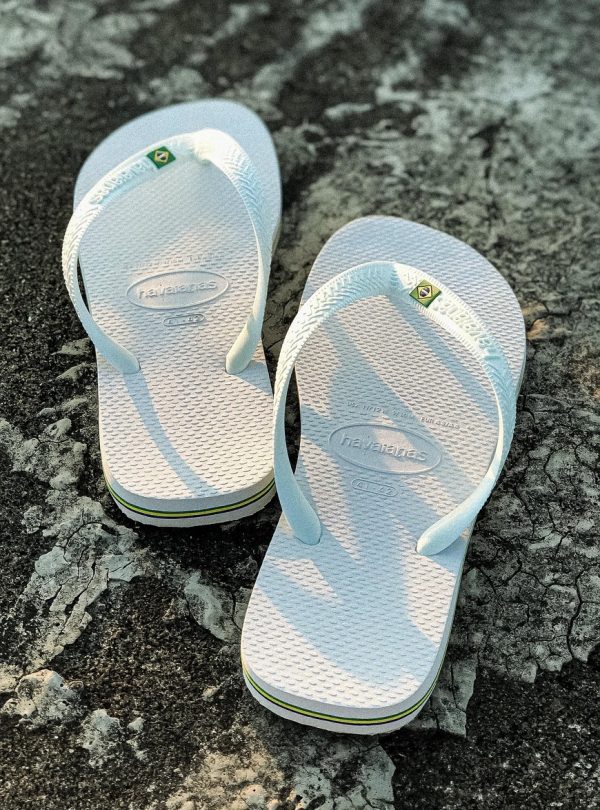
Footwear is a crucial part of your Hajj preparation, especially considering the amount of walking involved throughout the journey.
For men, during the state of Ihram, footwear must be worn in a way that leaves the top of the foot (including the metatarsal area) and ankle exposed. This guidance is based on the Hanafi Madhab. Requirements may differ between madhabs, so it is important to seek guidance according to your own school of thought.
Women are not restricted in the same way and may wear any modest and comfortable footwear.
Regardless of the requirement, it is highly recommended that all pilgrims invest in good-quality, comfortable footwear. You will be walking long distances daily, often in crowded conditions, so comfort and support are essential.
It’s also very important to wear your footwear in before departure. New sandals or shoes can be stiff and may cause blisters or discomfort if worn for the first time during Hajj. Breaking them in beforehand will help ensure they are comfortable when you need them most.
Outside of Ihram, you are free to wear any appropriate footwear, but comfort should remain your priority. Choosing the right footwear and preparing it in advance can make a significant difference to your overall Hajj experience.
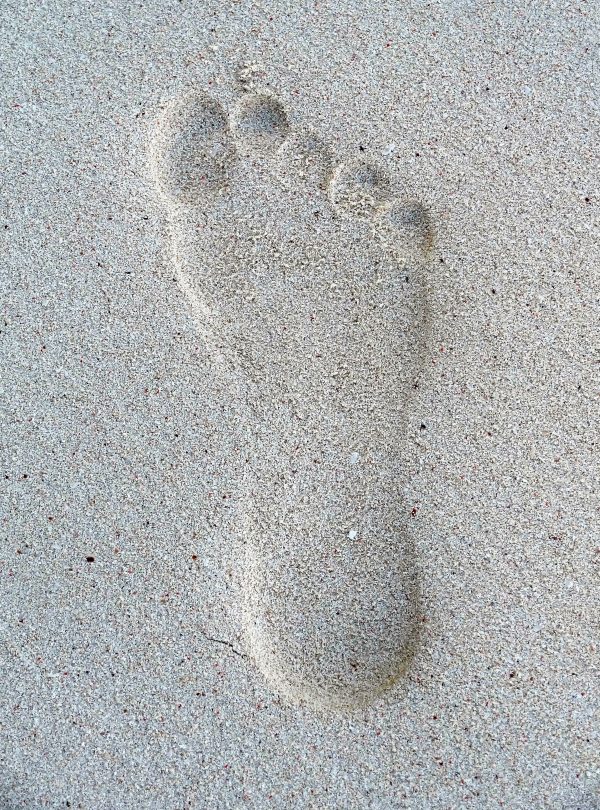
Looking after your feet during Hajj is essential. With the amount of walking involved each day, even small issues like blisters or soreness can quickly become uncomfortable and impact your ability to move around.
Start by keeping your feet clean and dry wherever possible. Wash them regularly, dry them properly (especially between the toes), and change into clean socks if you are wearing closed footwear outside of Ihram.
Blisters are one of the most common issues pilgrims face. To help prevent them, ensure your footwear is well broken in before, fits properly, and provides adequate support. You may also consider using blister plasters or protective padding in areas prone to rubbing.
Moisturising your feet can help prevent cracking, especially in dry and hot conditions. However, avoid applying moisturiser between the toes, as excess moisture there can lead to irritation or infection.
If you do develop a blister or wound, treat it early. Keep it clean, covered, and protected to avoid further irritation. Carrying a small foot care kit with essentials such as plasters, antiseptic wipes, and blister pads can be very helpful.
Taking a few simple steps to care for your feet will go a long way in ensuring you remain comfortable and able to focus on your ibada throughout your Hajj journey.

One of the most important practical steps in preparing for Hajj is ensuring that all your essential documents are safely stored and easily accessible at all times.
You should make hard copies (printed versions) of key documents, including your passport, visa, Nusuk Hajj invoice, vaccination and any medical requirements or prescriptions (if applicable). These should be kept in a secure folder and carried with you when travelling.
In addition to physical copies, it is strongly recommended that you keep digital versions of all documents on your phone, tablet, or other personal devices. This provides quick access in case anything is misplaced or needed urgently.
Where possible, store these documents in a secure cloud service (such as Google Drive, iCloud, or similar). If you do not use cloud storage, a simple alternative is to email copies to yourself, so they can be accessed from anywhere with internet access.
Having both physical and digital backups ensures that you are fully prepared for any situation and helps avoid unnecessary stress during your journey. Proper document organisation is a small step that provides major peace of mind throughout your Hajj experience.

For many pilgrims, Hajj will be the first time sharing a room with others, often with people you may not know beforehand. It’s important to approach this with patience, understanding and a positive mindset. These individuals will become your Hajj family, and maintaining a respectful and cooperative environment will make the experience much smoother for everyone.
Here are some key points to keep in mind:
A good attitude and small acts of consideration go a long way. By respecting one another, you help create a supportive environment that allows everyone to focus on their Hajj with ease, harmony and mutual care.
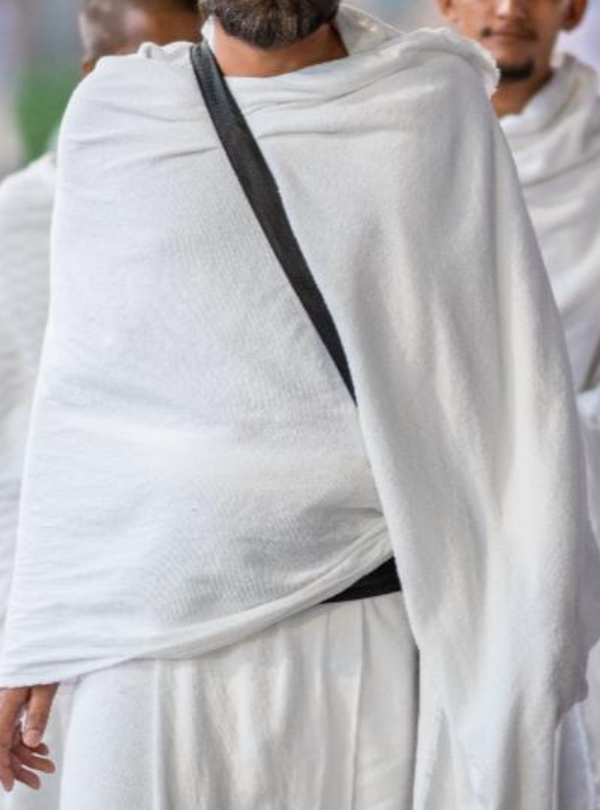
For many pilgrims, wearing ihram will be a completely new experience. It consists of two simple pieces of cloth, worn in a specific way, without stitching or usual fastenings. Because of this, it can feel unfamiliar at first.
It is highly recommended to practise wearing your ihram before departure. Take the time to learn how to wrap it securely and comfortably so that it stays in place while walking and carrying out your activities. This will help you avoid constant readjustment during Hajj, especially in busy and crowded environments.
Practising in advance will also help you build confidence and ease, allowing you to focus on your worship rather than worrying about your clothing. You may also want to try walking around at home while wearing it to understand how it feels and moves.
Being prepared in this simple way can make a big difference, helping you feel more comfortable and composed when you enter the state of ihram during your journey.
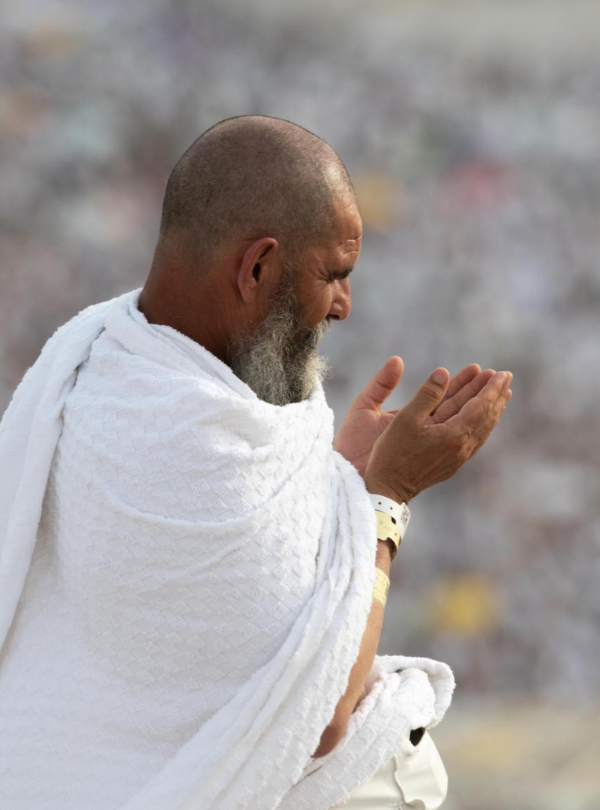
As you prepare for Hajj, take a moment to reflect on the purpose of this journey. You are about to embark on the 5th pillar of Islam, a once-in-a-lifetime act of worship that holds immense significance. By the Grace and Invitation of Allah (swt), you have been given the opportunity to fulfil one of the greatest obligations in your faith.
Keep your intention clear and your focus strong. This is not just a physical journey but a deeply spiritual one. There will be challenges along the way but remembering your goal will help you stay patient, grounded and sincere.
Your end goal is not simply to complete the rites but to strive for a Hajj Mabroor, an accepted Hajj. Make dua consistently for acceptance, forgiveness and for your efforts to be counted among those that are rewarded.
Remember to keep your family, friends, fellow Hajjis and the entire Ummah in your duas. This is a powerful opportunity to pray not only for yourself but for others as well.
Approach every step with humility, gratitude and sincerity. The more you align your mindset with the purpose of Hajj, the more meaningful and transformative your experience will be.